The practice
Al-Qatt Al-Asiri is a women-led tradition of geometric interior wall decoration originating in the Asir region of Saudi Arabia.
MA Creative Research Project / King's College London
A Creative Research Inquiry into Al-Qatt Al-Asiri in Asir, Saudi Arabia
This project explores how women practitioners experience the transformation of a collectively transmitted domestic practice as it moves into institutional, commercial, and public contexts.
The central inquiry
For generations, women in Asir painted together, learned from one another, and transformed domestic walls into shared cultural memory. This research asks what changes when that practice becomes formally taught, publicly displayed, commercially circulated, and institutionally safeguarded.
Research context
Al-Qatt Al-Asiri is a women-led tradition of geometric interior wall decoration originating in the Asir region of Saudi Arabia.
The practice was historically learned through observation, participation, family relationships, and collective making.
Following increased recognition and safeguarding, Al-Qatt now appears in institutional training, tourism, products, public surfaces, and commercial environments.
The project centres the voices and paintings of women practitioners across two generations within the same families.
Domestic surface Institutional frame
This digital experience presents the project structure and creative research outputs. It does not replace the formal dissertation, participant information sheet, or consent documentation.
Phase 1 / Individual painting
Each pair brings together two generations from the same family. Their paintings are held as related works rather than isolated images.
All ten individual paintings are presented with participant attribution.
Painting archive availableFieldwork record / Segmented display
The planned collective painting session could not be completed within the available fieldwork time. The ten completed paintings are therefore gathered here in one segmented display, without changing or combining the handmade artworks themselves.
Each panel remains an individual handmade painting. The display places the works together for comparison while preserving the authorship and integrity of every participant's canvas.
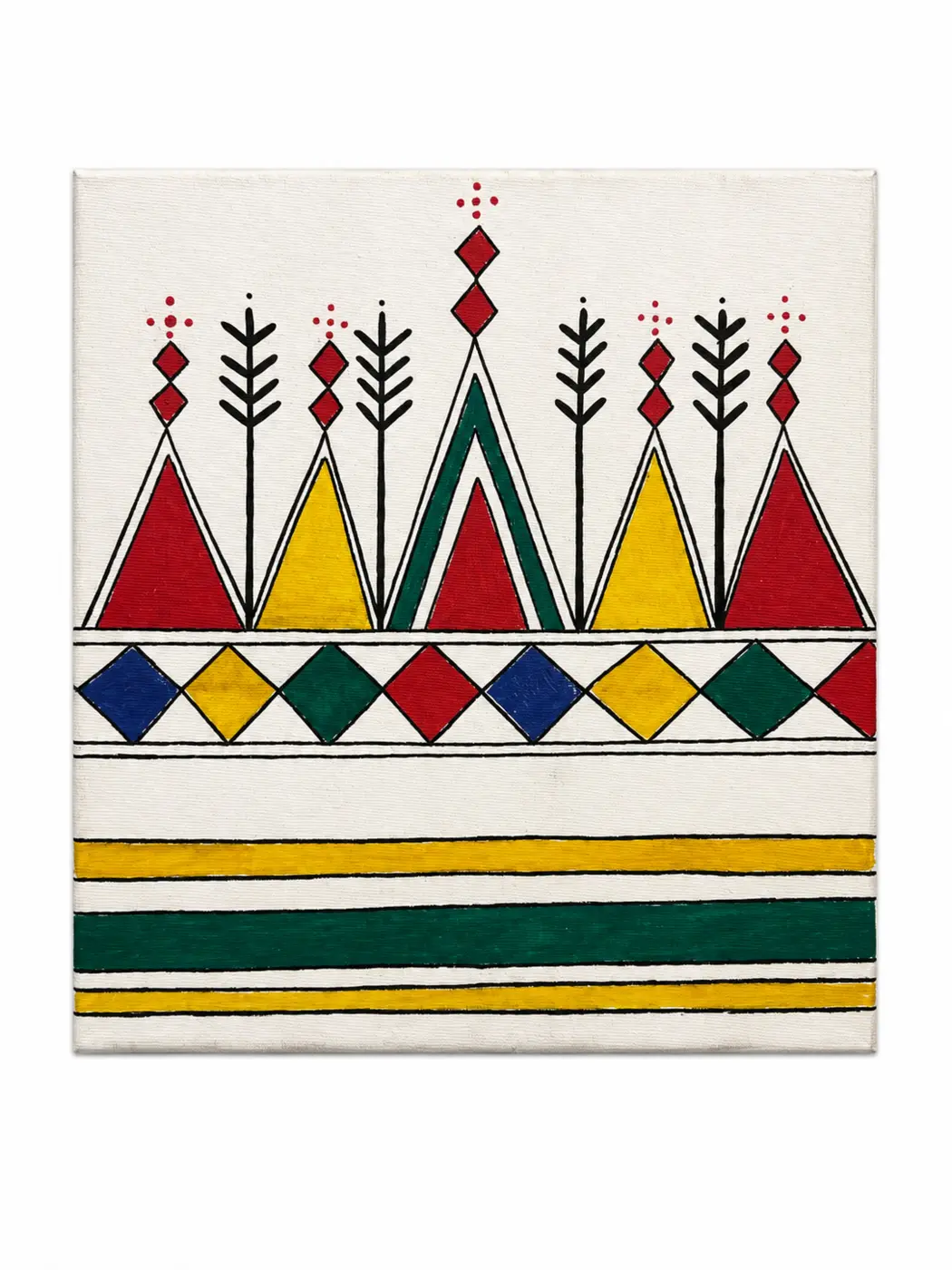
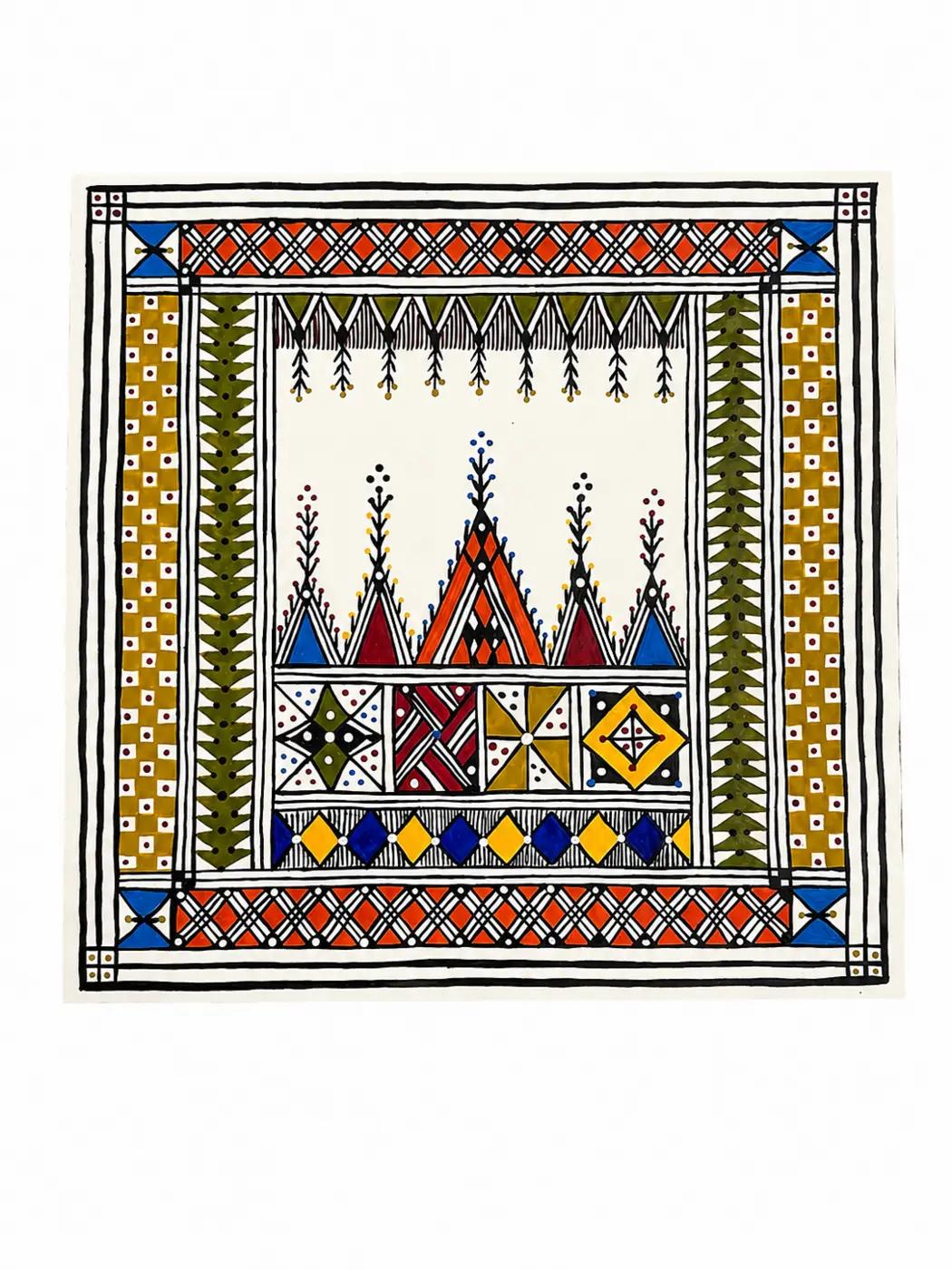
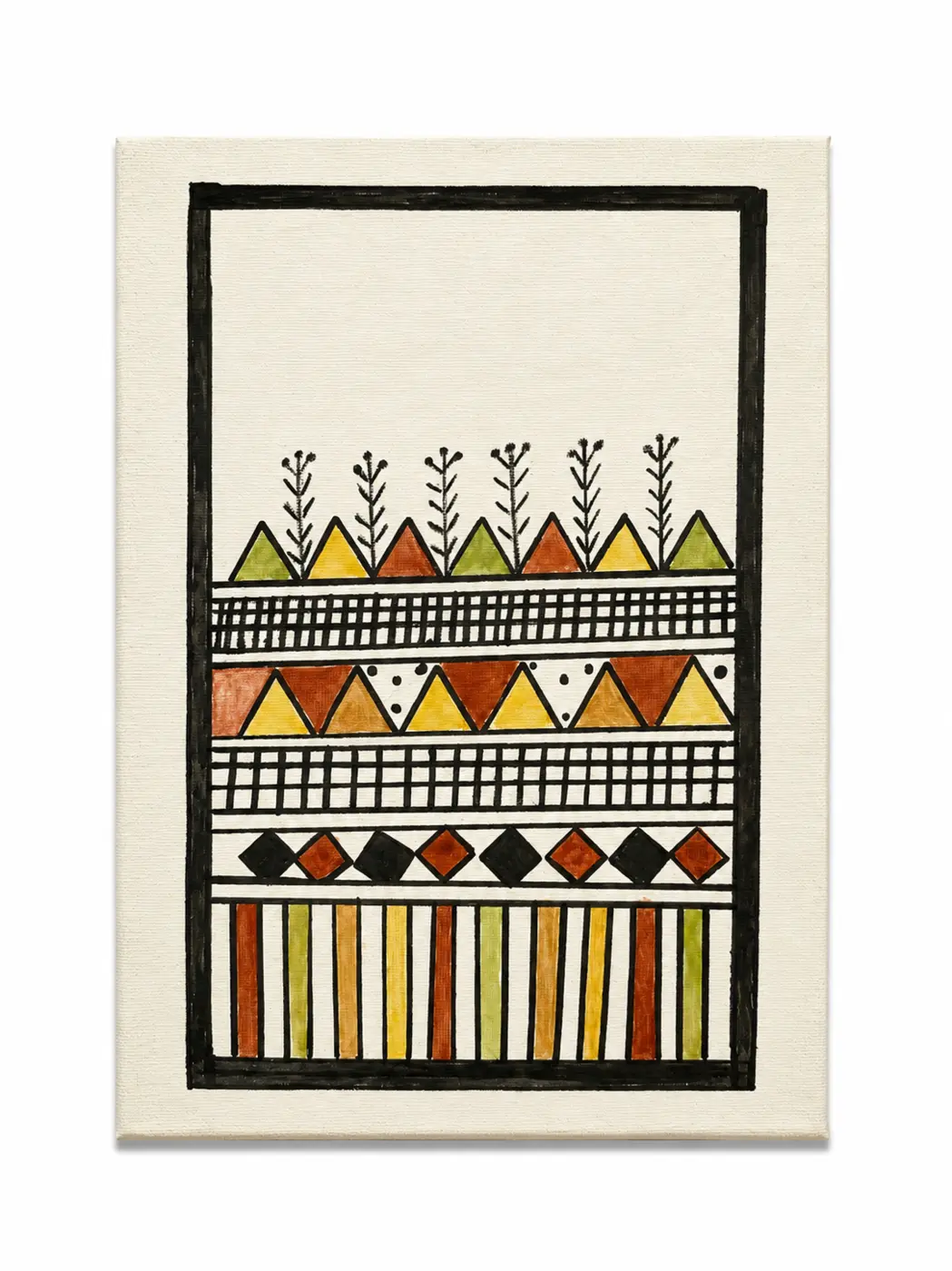
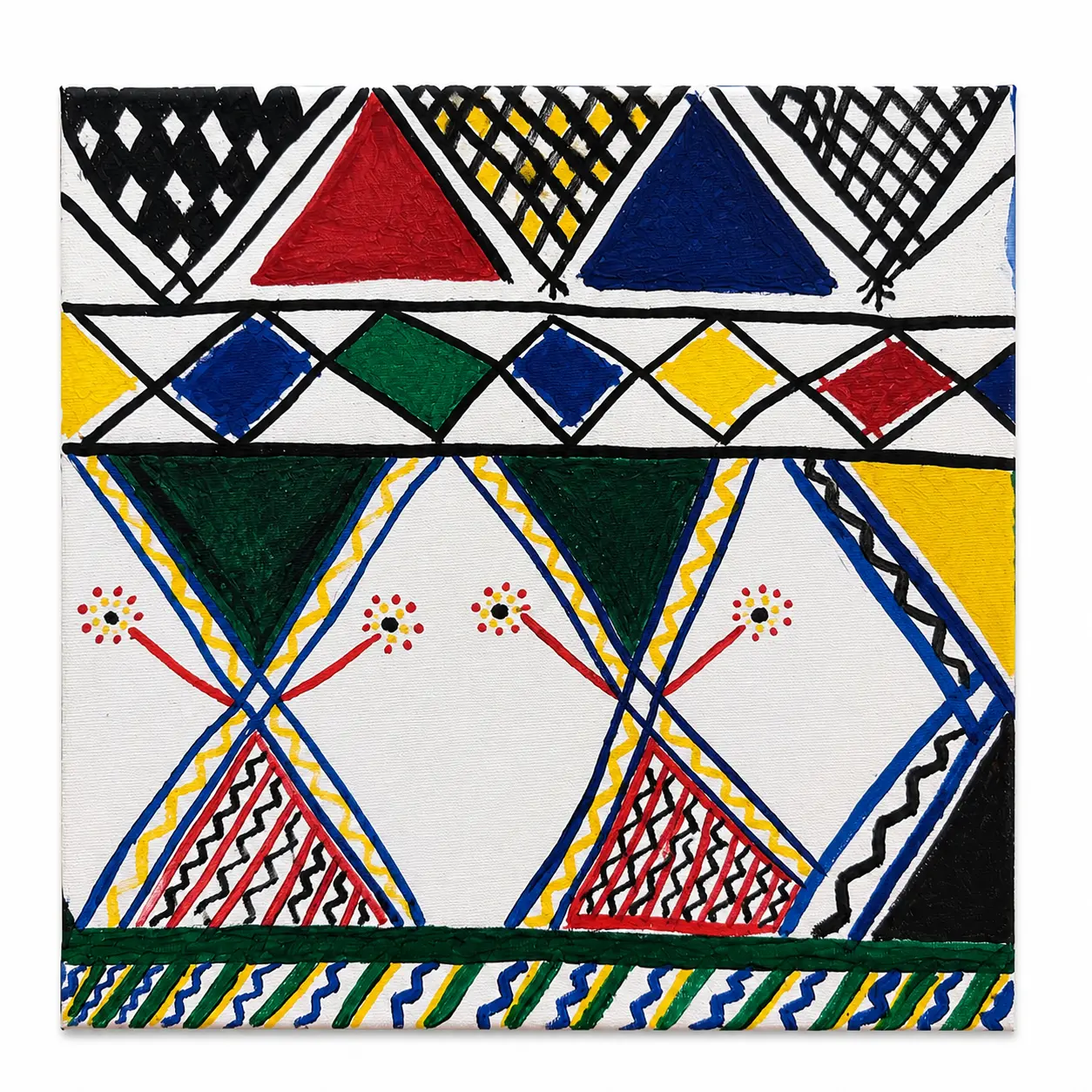
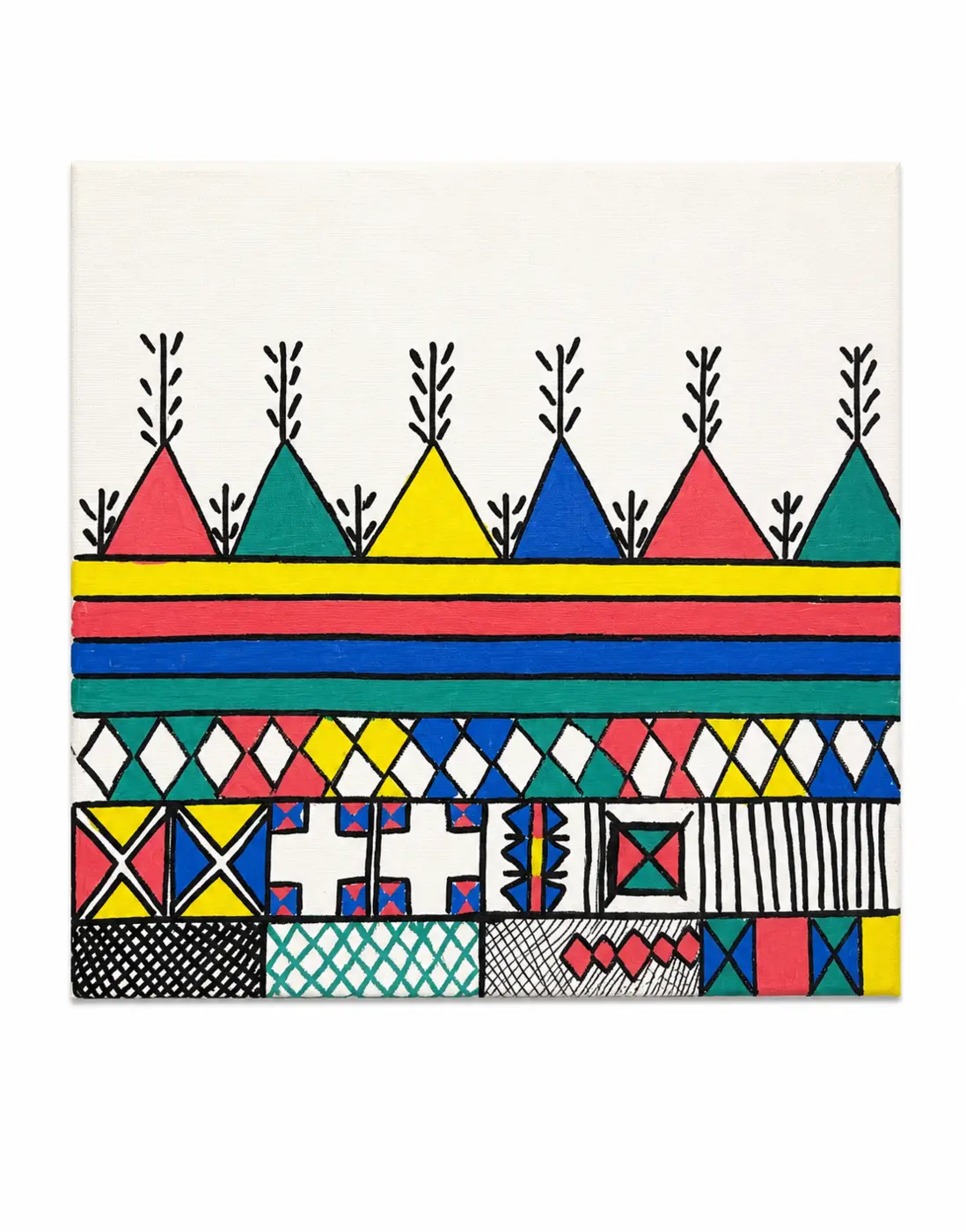
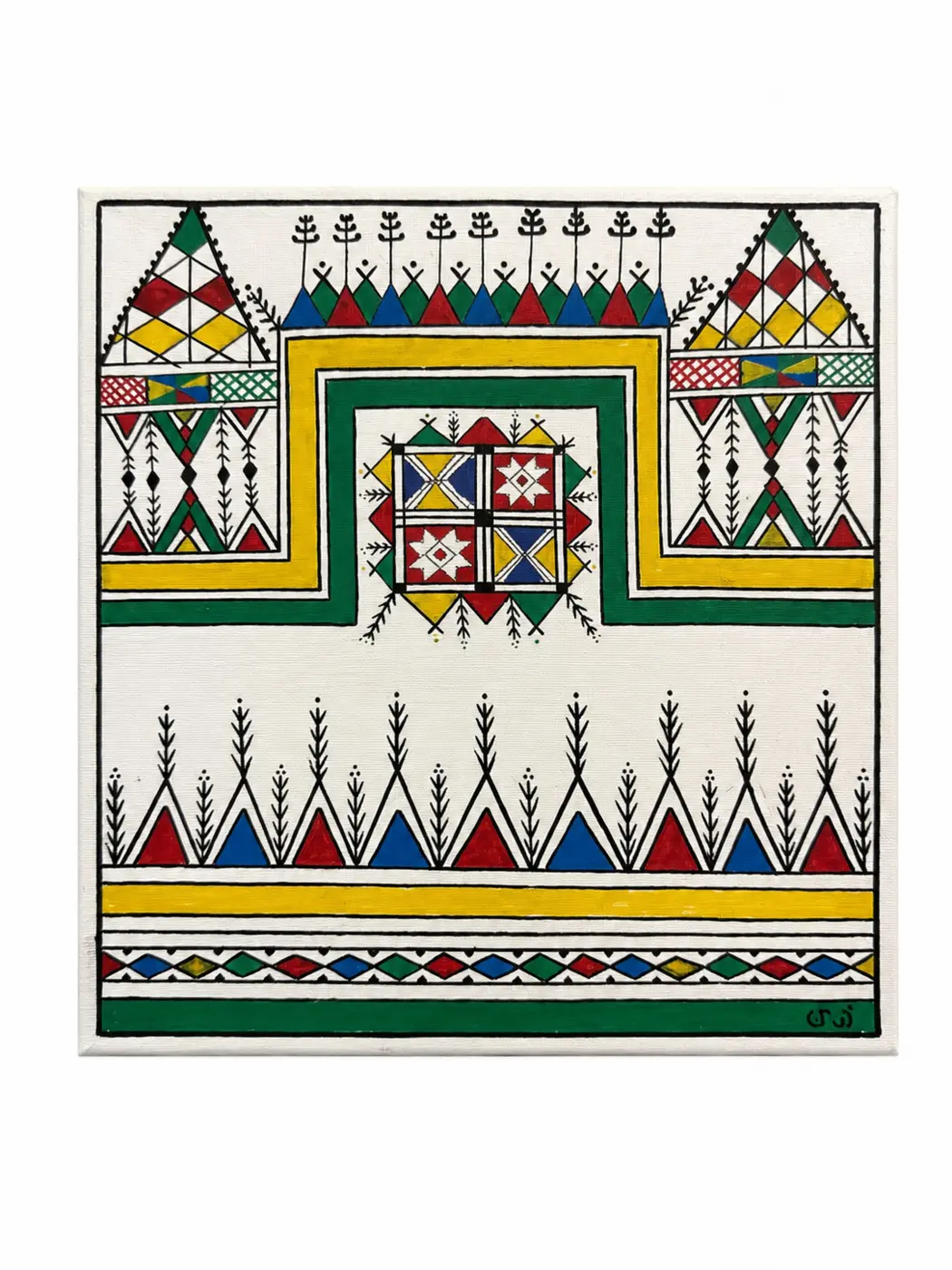
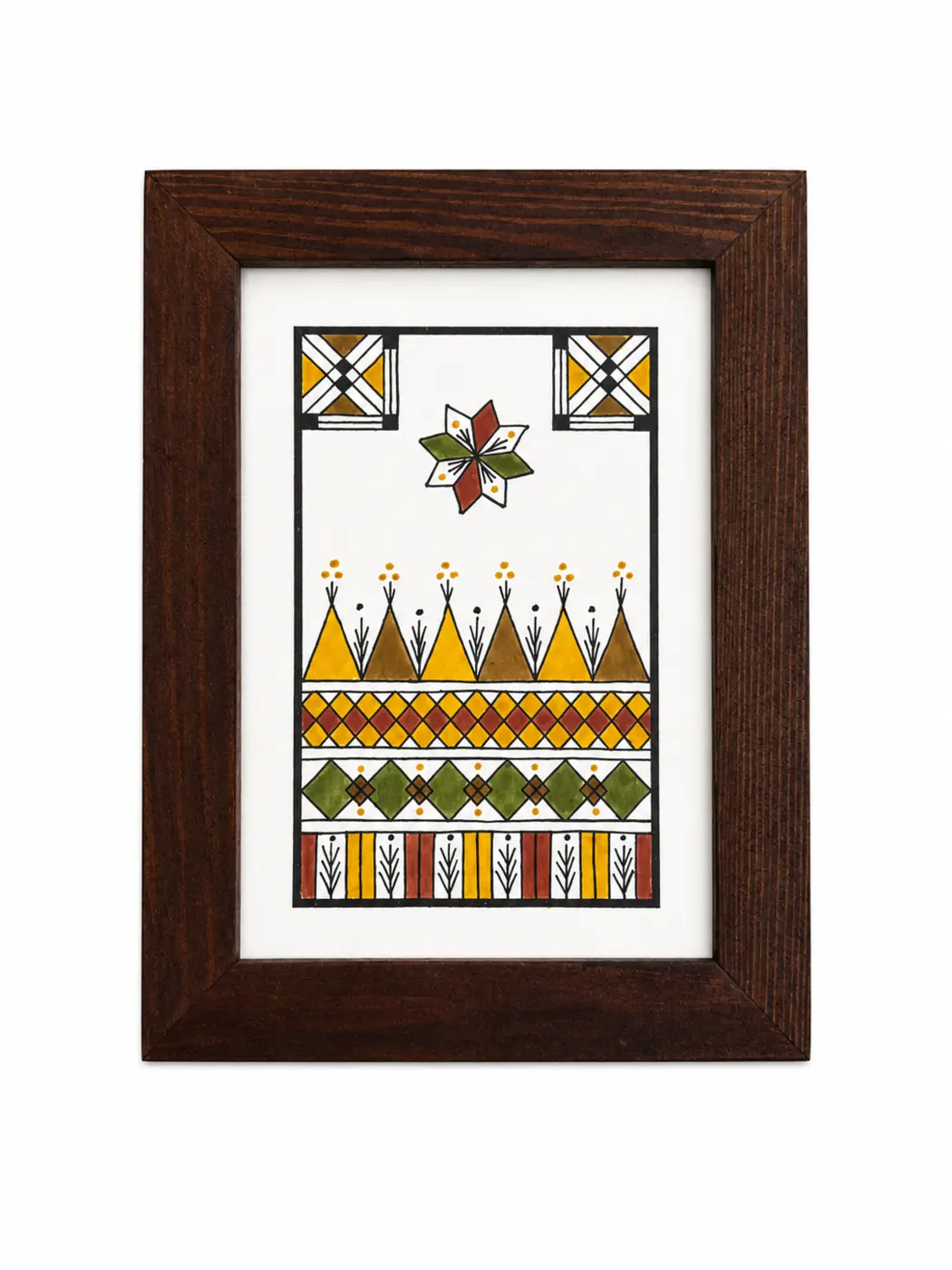
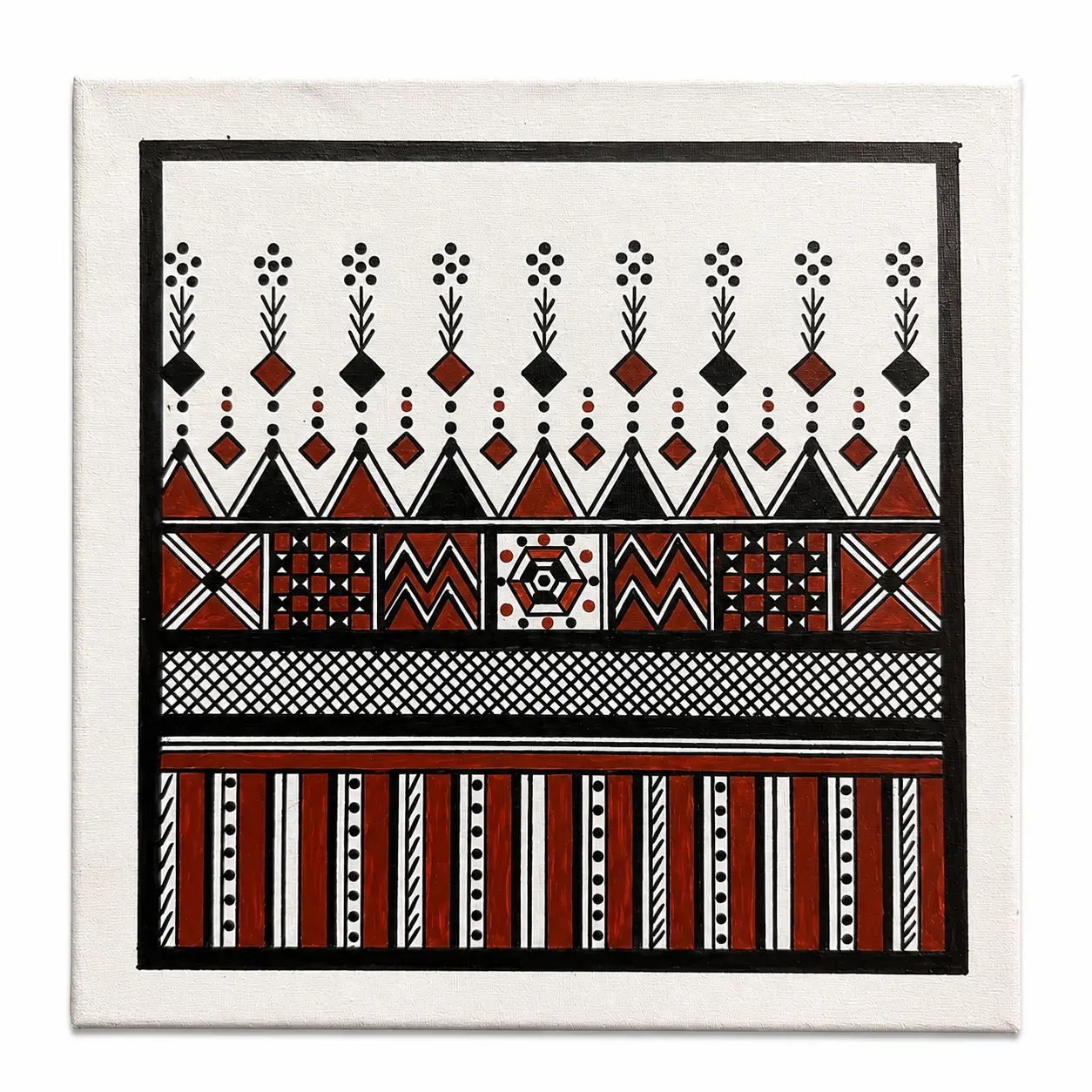
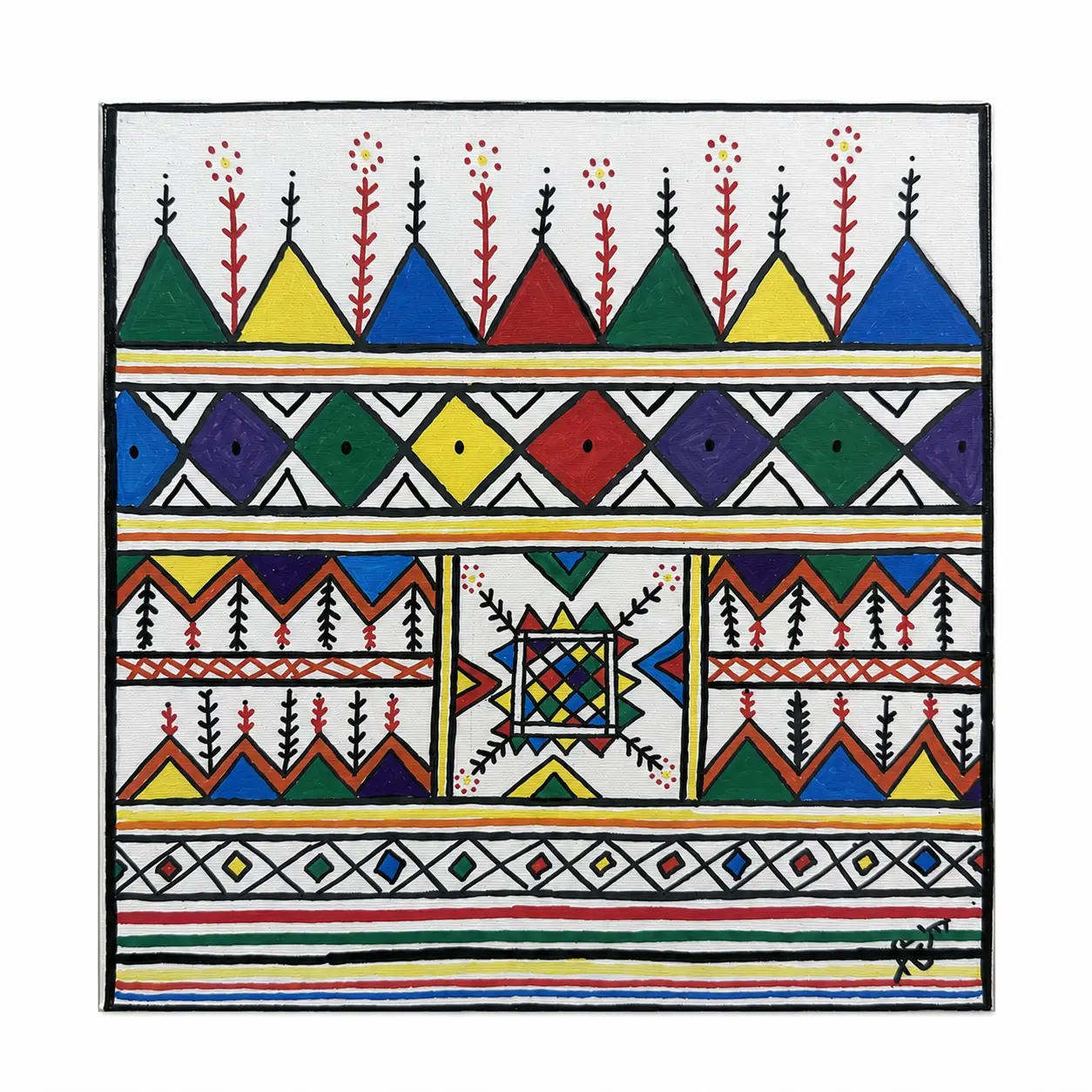
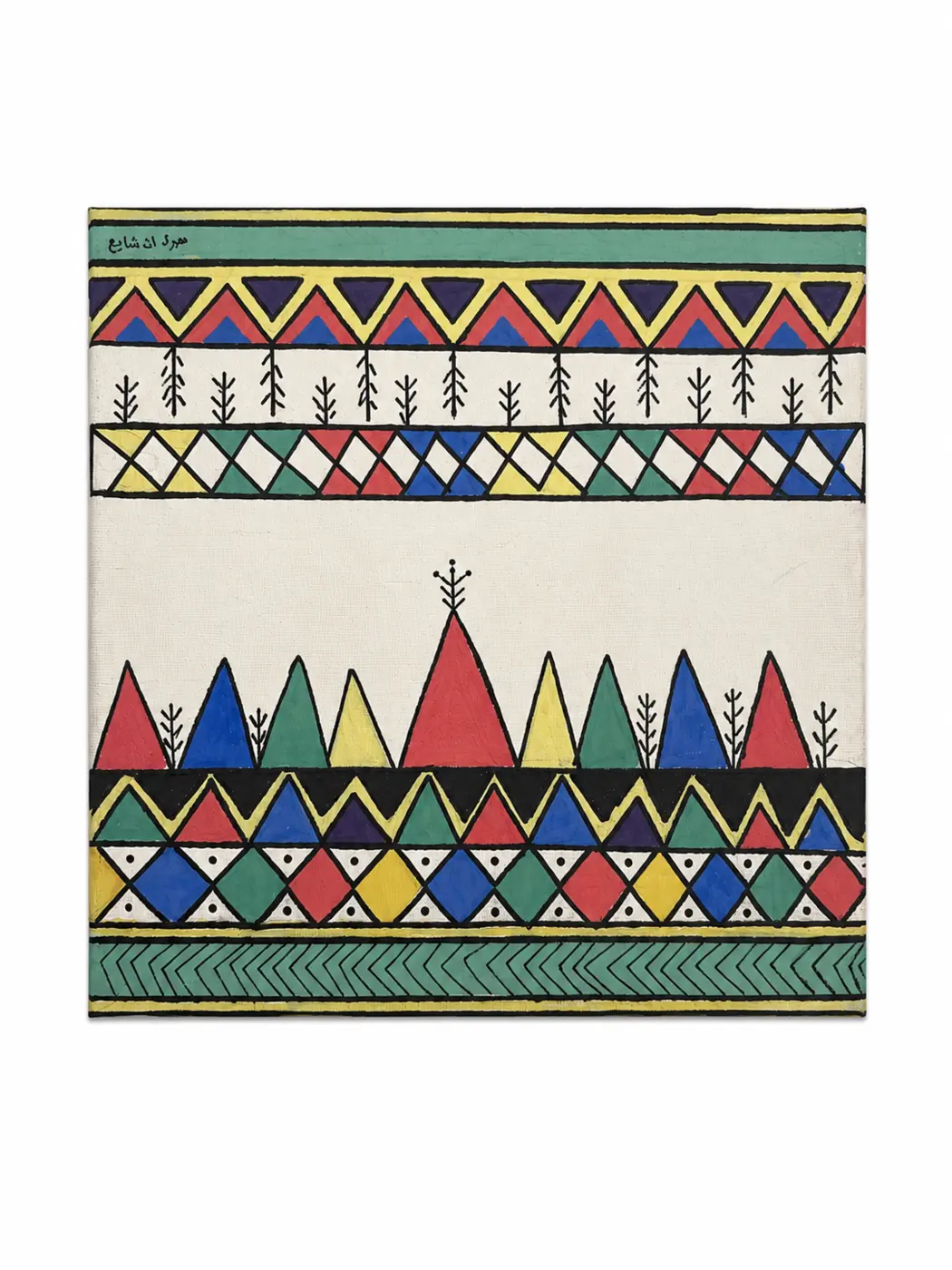
Fieldwork recordIndividual paintings presented together / July 2026
Creative research methodology
This project combines individual painting, recorded conversation, and intergenerational comparison. The planned collective canvas was not completed, so the ten handmade paintings are presented together without altering them. The individual paintings are part of the research process, not only illustrations.
Interview themes
These questions are indicative and not exhaustive. Responses will not appear here until fieldwork, analysis, and consent review are complete.
These questions are indicative and not exhaustive.
Ethics, consent, and privacy
Publication is treated as a consent decision, not a design setting. All ten participants consented to be named.
The formal participant information sheet and consent form remain the authoritative documents. This website provides an accessible visual overview and does not replace them.
Ethics referenceResearch archive
The attached source documents are available here for academic review. They retain their original bilingual content where applicable.
Project purpose, participation process, risks, benefits, data handling, confidentiality, and withdrawal information.
PDFBilingualVersion 1.015 April 2026Open document02Participant Consent FormConsent Form - English and ArabicParticipant consent options, anonymity choices, data handling acknowledgement, and optional public-display permissions.
PDFBilingualVersion 1.015 April 2026Open document03Indicative Interview QuestionsInterview Questions and Topic GuideTopic guide for individual and collective painting conversations.
PDFBilingualVersion 1.015 April 2026Open document04Research ProposalAcademic Research ProposalAcademic proposal outlining the research question, context, methodology, creative research design, and project rationale.
PDFEnglishCoursework submission13 April 2026Open documentThese are the approved versions used in the fieldwork.
Researcher / Academic context
The researcher is a Saudi artist and a practitioner working between contemporary art and cultural management. This project brings artistic practice into dialogue with heritage transformation and women's knowledge.
“My role in this project is not only to document Al-Qatt Al-Asiri, but to create the conditions through which practitioners can paint, reflect, compare, and make together.”
Reflective close
This project does not treat transformation as a simple story of loss or preservation. It asks how women practitioners themselves understand what is carried forward, what changes, and what collective making can still make visible.